Entry · Ref LWWQZUFW
How to Choose a Dubai Dune Buggy for Desert Riding
- Posted
- 2026-11-18
- Last amended
- 2026-11-18
- Account
- @getbuggydubaihub
Understanding the Terrain and Your Riding Style
Dubai's desert offers a mix of soft sand, steep dunes, and flat stretches. The kind of buggy you pick depends on where you plan to ride and how aggressively you want to drive. A buggy built for gentle touring on firm sand is different from one designed for climbing high dunes or tackling loose bowls. Before you look at any machine, think about the type of riding you will do most: cruising with a view, adventurous dune bashing, or a mix of both. This first decision shapes every other choice you will make.
Engine Power and Size
The engine is the heart of any dune buggy. For Dubai's desert, a buggy with a larger engine - typically 800cc or more - gives you the torque needed to climb soft dunes without getting stuck. Smaller engines, around 500cc, work fine on compacted sand or for slower rides, but they can struggle on steep, loose slopes. Look at the engine's horsepower and cooling system. Air-cooled engines are simpler and lighter, but liquid-cooled engines handle heat better during long rides in the desert heat. If you plan to ride for more than an hour at a time, a liquid-cooled engine helps maintain performance without overheating.
Pay attention to the type of fuel the buggy uses. Most dune buggies run on petrol, but some use diesel or even electric motors. Electric buggies are quieter and produce no fumes, which makes them pleasant for wildlife spotting, but their range is limited and recharging in the desert is difficult. For most riders, a petrol engine with a decent fuel tank capacity - around 30 litres or more - offers the best balance of power and range for a full day out.
Roll Bar and Safety Frame
Safety in the desert is not optional. A roll bar is the most important safety feature on a dune buggy. It protects you if the buggy tips over on a steep dune. Look for a buggy with a full roll cage made from welded steel or aluminium. The frame should extend above your head, even when you are wearing a helmet. Check that the roll bar is securely attached to the chassis and that there are no sharp edges or weak joints. Some buggies also have a rear roll bar that protects passengers in the back seat. If you are carrying a passenger, make sure the roll bar covers their seating area too.
Beyond the frame, check the seat belts. A four-point or five-point harness keeps you firmly in the seat during rough rides. Lap belts alone are not enough for dune driving. The harness should be easy to adjust and quick to release in an emergency. Also check the location of the fire extinguisher mount. It should be within reach of the driver, not buried under the seat or behind a panel. A quick-release fire extinguisher bracket is a good sign that the buggy is built with safety in mind.

Wheels and Tyres
Tyres are the only contact your buggy has with the sand. For dune driving, you want wide, low-pressure tyres that float on top of the sand rather than dig into it. Look for tyres with a deep tread pattern that provides grip on loose surfaces. Some buggies come with paddle tyres, which have large, scoop-like treads that push the buggy forward in soft sand. Paddle tyres work well on steep dunes but can feel bumpy on hard-packed roads. Standard desert tyres with a chevron or zigzag tread are a good all-round choice if you ride on mixed terrain.
Check the tyre pressure rating. Most desert buggies run tyres at around 8 to 12 psi. Lower pressure gives more flotation but makes the buggy harder to steer on flat ground. Higher pressure helps on hard surfaces but reduces grip on soft sand. The ideal pressure depends on the sand conditions and your weight. A buggy with an onboard air compressor or a tyre pressure monitoring system lets you adjust on the fly, which is useful if you move between different types of desert terrain.
Chassis and Suspension
The chassis determines how the buggy handles bumps and jumps. A tubular steel chassis is strong and can be repaired if damaged, but it adds weight. Aluminium chassis are lighter and resist corrosion, but they can crack under heavy impact. For dune driving, a steel chassis with a few cross braces offers the best durability. Check the suspension travel - the distance the wheels can move up and down. More travel, around 10 to 12 inches, helps the buggy absorb large bumps and keeps the wheels on the ground over uneven sand. Less travel, around 6 to 8 inches, works for smoother terrain but can make the ride jarring on dunes.
Look at the suspension type. Independent suspension on all four wheels gives the best stability and comfort. A solid axle on the rear is cheaper but limits articulation, which can cause one wheel to lift on uneven ground. For a buggy that will see serious dune riding, independent suspension is a must. Also check the shock absorbers. Adjustable shocks let you tune the ride stiffness for your weight and the sand conditions. Non-adjustable shocks are simpler but may not perform well across different terrains.
Controls and Driving Position
You will spend hours in the buggy, so comfort matters. Sit in the driver's seat and check that the steering wheel is at a comfortable height and distance. The pedals should be easy to reach and press without stretching. A buggy with adjustable pedals and a telescoping steering column is a big plus if multiple people will drive it. The driving position should feel natural, not cramped or stretched. Your knees should be slightly bent, and your arms should reach the wheel without locking your elbows.

Check the brake and accelerator pedals. They should be well separated to avoid pressing both at once. A foot rest for the passenger is also important - it stops their legs from dangling and hitting the chassis during rough rides. The dashboard should have clear gauges for speed, fuel level, and engine temperature. Some buggies also include a GPS or a compass, which helps if you explore beyond marked trails. If the buggy has a gear shifter, make sure the gates feel positive and not sloppy. A sloppy shifter can cause missed gears and damage the transmission.
Storage and Practical Features
Desert trips often require carrying water, snacks, a first aid kit, and tools. A buggy with built-in storage compartments is more convenient than strapping a bag to the roll bar. Look for lockable boxes that are dust-proof and waterproof. Some buggies have a rear cargo rack that can hold a cooler or a spare fuel can. Check that the storage area does not block access to the engine or the fuel cap. If you plan to ride at sunset or early morning, a buggy with LED light bars improves visibility. Lights mounted on the roll bar give a wide beam that helps you see the shape of the dunes ahead.
Another practical feature is a winch. A winch can pull the buggy out if it gets stuck in a soft patch or over a dune crest. Not all buggies come with one, but it is a useful addition for solo riders. If the buggy does not have a winch, check that there are attachment points on the chassis for a recovery strap. These points should be rated for the full weight of the buggy and not just cosmetic loops.
One local option is Buggy Adventure Dubai | ATV Quad Bike Tours & Desert Safari Dubai. When you look at a dubai buggy, always check the age of the engine and the maintenance history. A well-maintained buggy with a clean oil filter, fresh coolant, and properly inflated tyres is a better bet than a newer buggy that has been neglected. Ask about the buggy's service intervals and whether the brakes have been recently inspected. A safety briefing before the ride should cover the controls, the terrain, and what to do if you get separated from the group. A good operator will also provide a helmet and goggles that fit properly. Do not skip the briefing - it can save you from a costly mistake in the dunes.
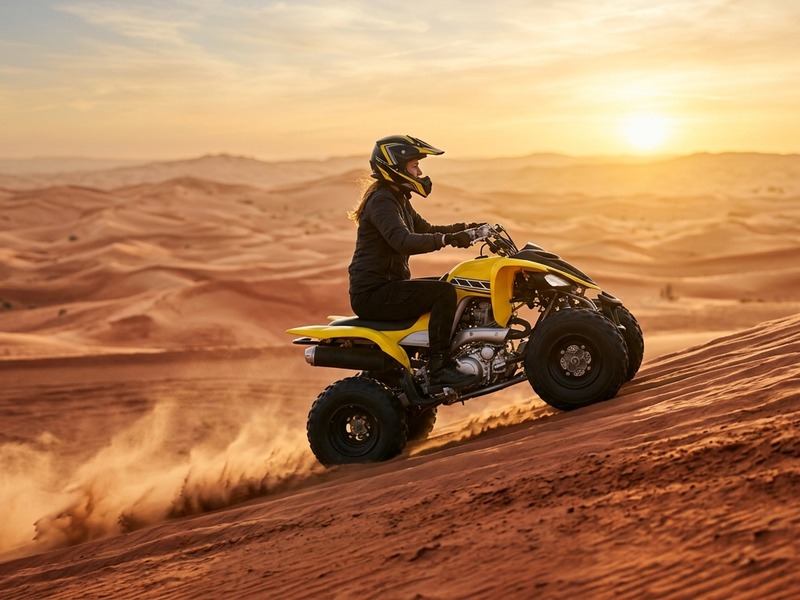
Finally, consider the total experience. A dubai buggy is just one part of a desert outing. Some operators combine the ride with a desert camp stop, a camel ride, or sandboarding. If you want a full day out, look for a package that includes these extras. But do not let the extras distract you from the buggy itself. A fun desert buggy ride starts with a machine that fits your needs, your skill level, and the demands of the desert. Take your time, test a few models, and choose the one that feels right.
Buggy Adventure Dubai | ATV Quad Bike Tours & Desert Safari Dubai is located at Regalia Tower, Ground Floor Office No. 5 - Business Bay - Dubai - United Arab Emirates.